 VC & Policy (UK)
UK Entrepreneurship Tax Relief 2026: What Changed for Founders
The 2026 EMI, EIS and VCT changes, corrected EMI notification deadlines, Northern Ireland exceptions and the earlier start of UK Listing Relief.
We analyse how venture capital allocation, public policy frameworks, and institutional decisions are structuring the long-term future of the UK technology sector.
Our research tracks the structural forces shaping the ecosystem, from Whitehall to Shoreditch.
Analysing UK funding cycles, LP sentiment, and capital deployment trends across stages.
Tracking regulatory frameworks, public-sector intervention, and legislative impact on tech.
Evaluating innovation grants, R&D tax credits, and public-private funding alignment.
Assessing infrastructure, skills pipelines, and development outside the London bubble.
Our institutional intelligence serves those who need to look beyond the quarterly cycle to understand the UK’s structural trajectory.
Research-led analysis, strategic reports, and insights.
VC & Policy (UK)The 2026 EMI, EIS and VCT changes, corrected EMI notification deadlines, Northern Ireland exceptions and the earlier start of UK Listing Relief.
 VC & Policy (UK)
VCT income tax relief falls to 20% from 6 April 2026 — the first cut in nearly two decades. Here is what changed, who is affected, and what the EIS relief gap now means for UK investors.
 VC & Policy (UK)
EMI limits expanded for eligible companies from 6 April 2026. The employee test is fewer than 500; specified Northern Ireland companies retain previous limits.
 VC & Policy (UK)
Current EIS and SEIS company and investor limits, conditional relief and claim procedures. Advance assurance does not guarantee an investment or every relief.
 VC & Policy (UK)
An October 2026 correction of the Employment Rights Act timetable, phased Fair Work Agency remit and ordinary unfair-dismissal rules. Original publication dates are retained.
 VC & Policy (UK)
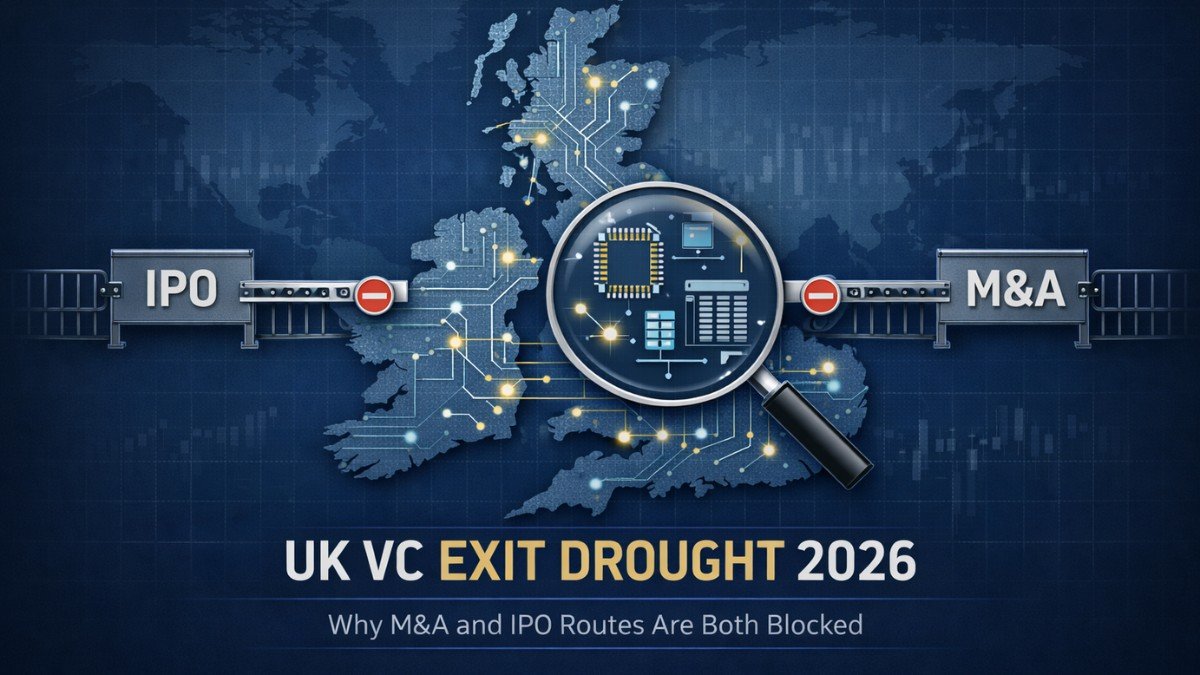
A corrected guide to assessing company-specific exit options, national-security screening and PISCES without promising liquidity or a reopening date.
Measurable impact for decision-makers.
Interpreting complex policy signals for long-term planning.
Reducing regulatory blind spots and compliance surprises.
Understanding the mechanics of capital flows and incentives.
Connecting high-level policy shifts to bottom-line outcomes.